Corporate Wellness Strategy for HR Leaders
Developing a Strategic Approach to Workforce Wellbeing
HR leaders are increasingly responsible for addressing employee burnout, workplace stress, and workforce wellbeing. As organizations navigate evolving workplace demands, many HR teams are exploring how to move beyond isolated wellness initiatives toward a more strategic and sustainable approach to workforce wellbeing.
A well-designed corporate wellness strategy helps organizations support employee wellbeing while strengthening workforce resilience, engagement, and long-term organizational performance.


The Role of HR in Workforce Wellbeing
HR leaders play a central role in developing workforce wellness strategies.
Workforce wellbeing has become an essential priority for many organizations. Rising levels of employee burnout, increasing workplace demands, and greater awareness of mental health have expanded the role HR leaders play in supporting employees.
Many organizations already offer wellness initiatives such as employee assistance programs, fitness challenges, or wellbeing incentives. While these programs may provide value, they often operate independently rather than as part of a structured employee wellness strategy.
A workplace wellness strategy allows HR leaders to take a more comprehensive approach by aligning wellness initiatives with organizational goals, workforce needs, and leadership priorities.
Key Components of a Wellness Strategy
A corporate wellness strategy is a structured approach to supporting employee wellbeing through coordinated initiatives that address the factors influencing workforce health, resilience, and workplace culture.
Rather than relying on isolated wellness programs, a strategic approach considers the broader organizational environment that affects employee wellbeing.
An effective corporate wellness strategy often includes:
• burnout prevention initiatives
• employee resilience training
• workplace mental health programs
• leadership engagement in workforce wellbeing
• measurement and evaluation of wellness outcomes
When implemented effectively, these elements help organizations create healthier and more resilient workforces.
Why A Corporate Wellness Strategy Matters
Organizations that adopt a strategic approach to workforce wellbeing often see benefits that extend beyond employee satisfaction.
A well-developed workplace wellness strategy can help support:
• stronger employee engagement
• reduced burnout risk
• improved workforce resilience
• healthier workplace culture
• better employee retention
• more sustainable productivity
For HR leaders, a strategic approach makes it easier to align employee wellbeing efforts with broader organizational priorities.
Key Components of An Effective Employee Wellness Strategy
A strong employee wellness strategy usually includes several interconnected components.
-
Burnout prevention programs help organizations identify and address workplace factors that contribute to sustained stress, fatigue, and disengagement. These initiatives help HR leaders move from reactive support to earlier intervention.
-
Employee resilience training helps employees develop practical skills for managing workplace pressure, adapting to change, and maintaining focus during demanding periods.
-
Supporting employee mental health is an important part of any corporate wellness strategy. Workplace mental health programs help organizations create healthier environments that support psychological wellbeing and reduce stigma around stress and mental health concerns.
-
Wellness strategies are more effective when leaders understand their role in shaping workplace culture, expectations, and employee experience. Leadership alignment helps integrate employee wellbeing into the broader organizational environment.
-
A successful corporate wellness strategy should include clear goals and evaluation methods. HR leaders benefit from understanding which programs are working, where workforce challenges are increasing, and what adjustments are needed over time.
Common Challenges HR Leaders Face
HR leaders often face several obstacles when building a workplace wellness strategy.
-
Without leadership support, wellness programs can be perceived as optional or disconnected from business priorities.
-
HR teams may struggle to demonstrate the impact of employee wellbeing programs when initiatives are not tied to clear workforce metrics.
-
Hybrid work, increased stress, and changing employee expectations have made workforce wellbeing more complex and dynamic.

A strategic approach helps organizations address these challenges more effectively.
The Eight Dimensions of Wellness Framework
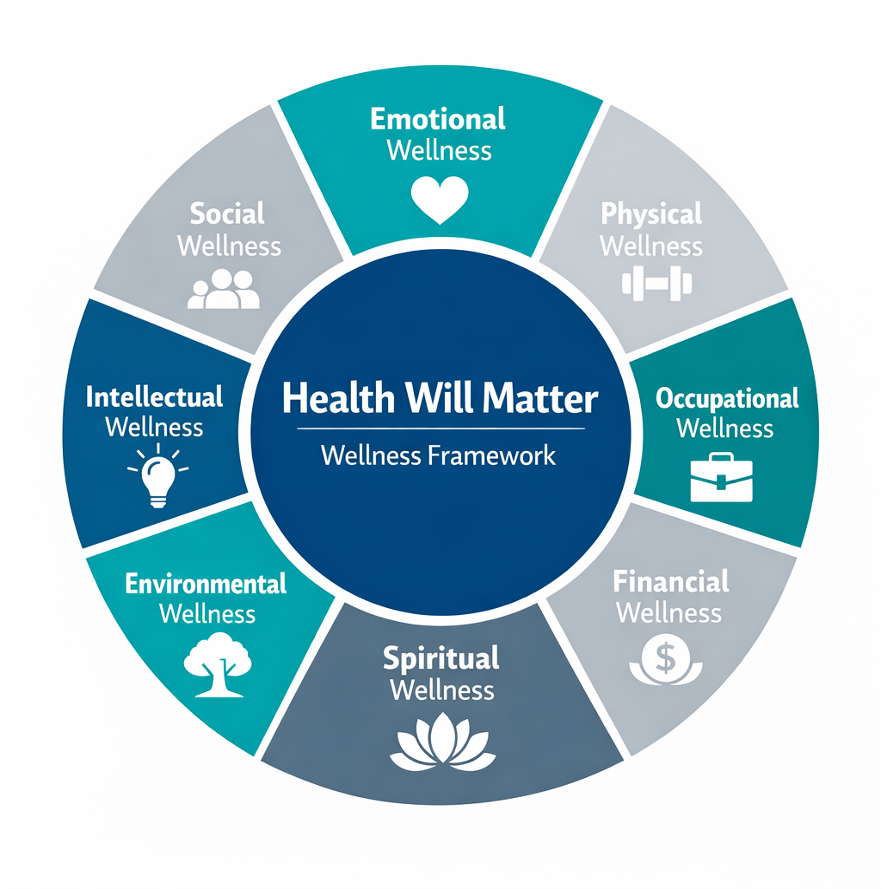
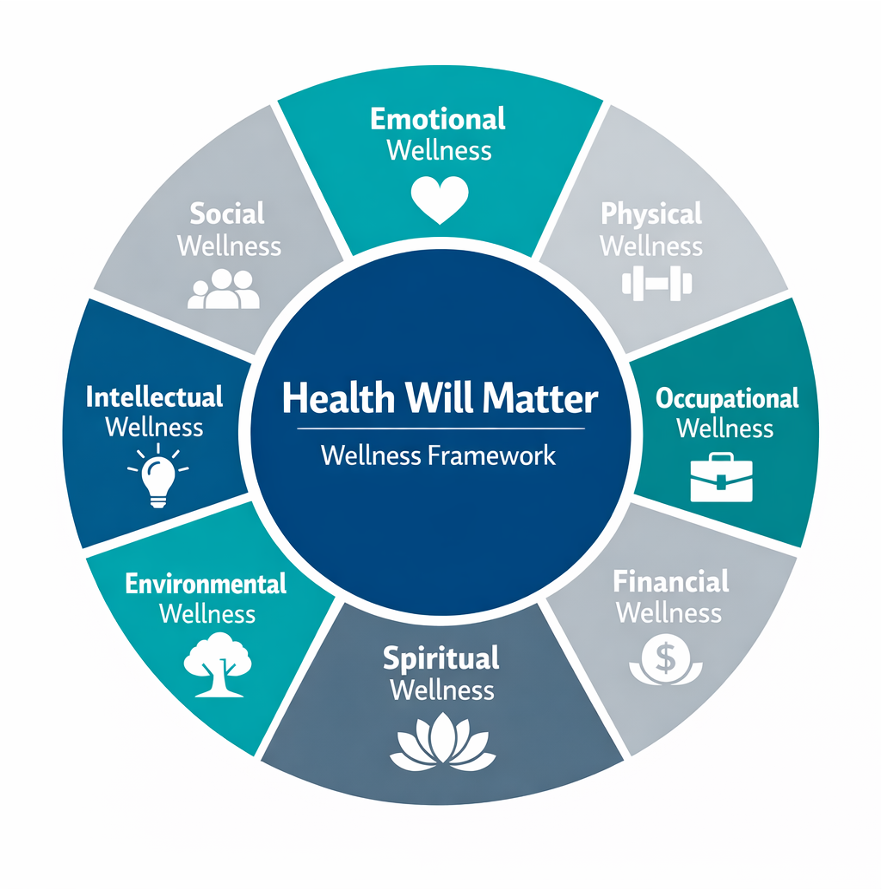
Health Will Matter approaches workforce wellbeing through the Eight Dimensions of Wellness framework, which recognizes that employee wellbeing is shaped by multiple interconnected areas of life.
These dimensions include:
• Emotional wellness
• Physical wellness
• Occupational wellness
• Social wellness
• Financial wellness
• Intellectual wellness
• Environmental wellness
• Spiritual wellness
By considering the full spectrum of wellbeing, HR leaders can build a more comprehensive corporate wellness strategy that supports both employees and organizational culture.

How HR Leaders Can Build a Corporate Wellness Strategy
1. Assess Workforce Needs
Begin by understanding where workforce wellbeing challenges are showing up.
This may include reviewing:
• engagement survey data
• absenteeism patterns
• turnover trends
• employee feedback
• stress or burnout indicators
An effective organizational assessment provides a strong foundation for strategy development.
2. Define Strategic Priorities
Once workforce needs are understood, HR leaders can identify the most important wellbeing priorities for the organization.
These may include:
• reducing burnout risk
• supporting employee resilience
• improving mental health awareness
• strengthening retention and engagement
Clearly defined priorities help ensure the employee wellness strategy remains aligned with organizational goals.


3. Implement Coordinated Wellness Initiatives
Organizations can then introduce or refine coordinated programs such as:
• burnout prevention initiatives
• resilience training
• mental health support programs
• leadership wellbeing education
The goal is to create a connected workforce wellbeing strategy rather than isolated wellness activities.
4. Evaluate and Refine
A corporate wellness strategy should evolve as workforce needs change.
HR leaders benefit from reviewing:
• participation and engagement
• employee feedback
• workforce wellbeing indicators
• leadership observations
Ongoing evaluation helps improve programs over time and ensures wellness initiatives remain relevant.

What Sets a Strategic Approach Apart
Many wellness providers focus primarily on short-term initiatives such as challenges, incentives, or one-time campaigns. While these efforts may generate visibility, they do not always address the broader factors influencing employee wellbeing.
A strategic workforce wellness approach is different.
It emphasizes:
• long-term organizational alignment
• prevention rather than reaction
• resilience and mental health support
• practical implementation in real workplaces
• a comprehensive view of wellbeing through the Eight Dimensions framework
This is what helps organizations build healthier, more resilient workforces over time.
How Health Will Matter Supports HR Leaders
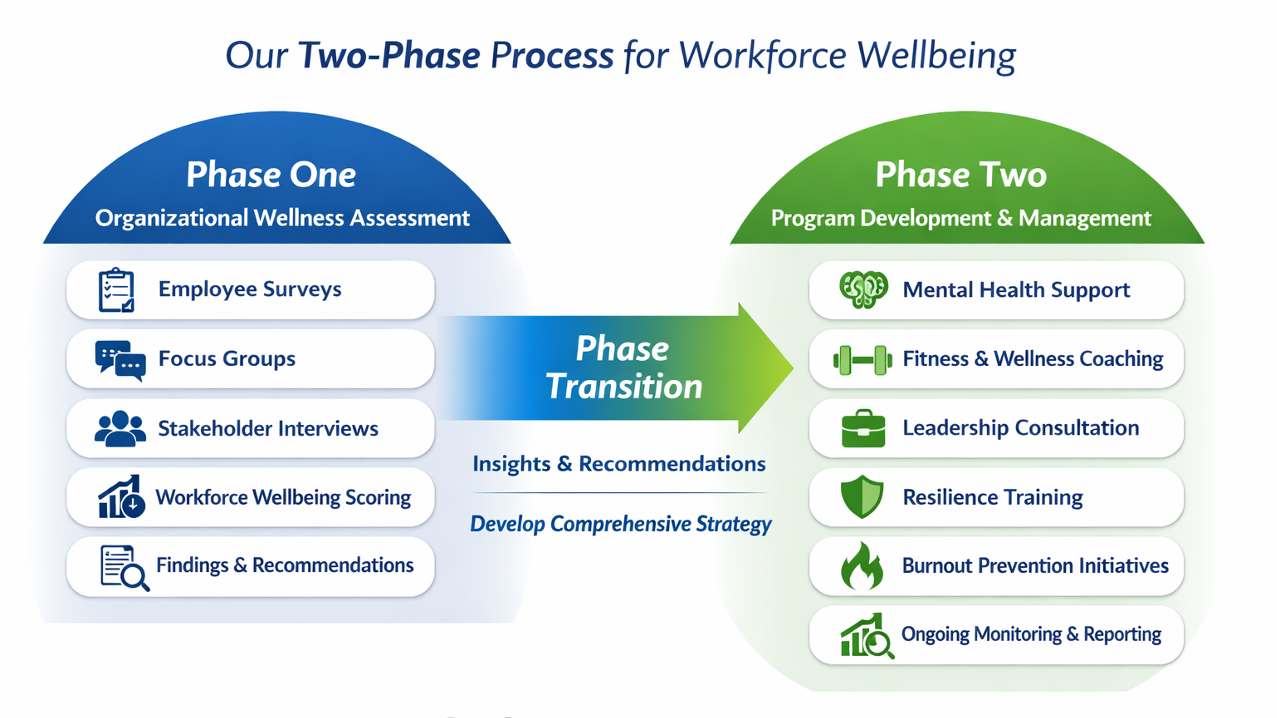
Health Will Matter works with HR leaders and organizational leadership teams to help design practical, sustainable workforce wellbeing strategies.
Our work helps organizations:
• assess workforce wellbeing challenges
• develop coordinated wellness strategies
• strengthen employee resilience
• support mental health in the workplace
• align wellbeing initiatives with organizational priorities
By taking a more strategic approach to workforce wellbeing, HR leaders can help create healthier workplaces that support both employee wellbeing and long-term organizational performance.