Workplace Burnout Statistics and Trends Employers Should Know
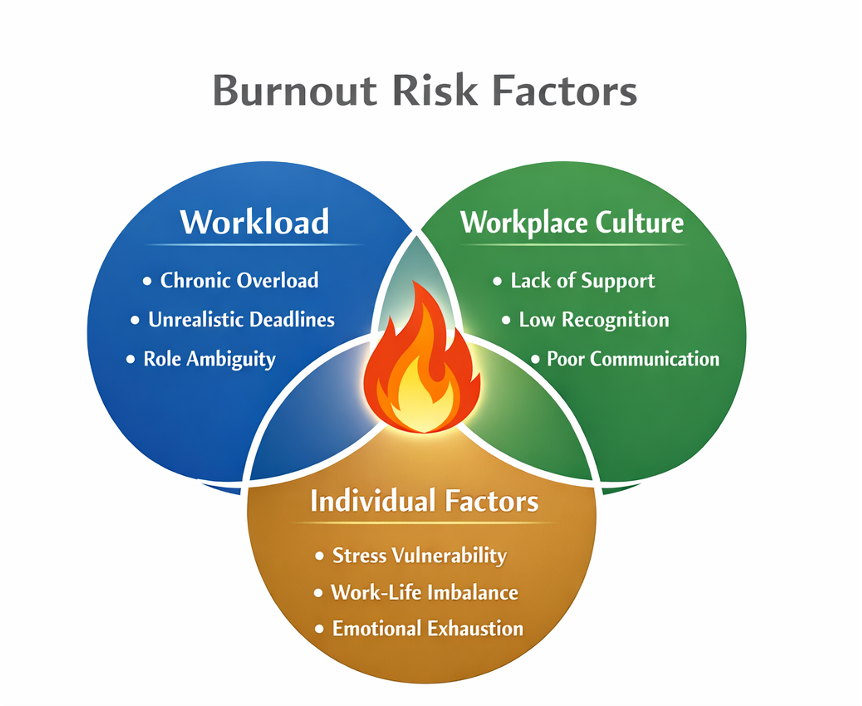
Burnout, stress, disengagement, and workforce strain continue to affect organizations across industries. Understanding the business impact of burnout can help employers make more informed workforce wellbeing decisions.
Burnout is no longer just an employee wellbeing issue—it is a business issue. Higher levels of stress, emotional exhaustion, absenteeism, disengagement, and turnover can affect productivity, culture, retention, and long-term organizational performance.

Why Workplace Burnout Matters
Workplace burnout can affect employee wellbeing, performance, morale, engagement, retention, and overall organizational culture.
Employees experiencing burnout may be more likely to struggle with stress, emotional exhaustion, reduced motivation, lower productivity, absenteeism, and turnover. Leaders may also experience burnout, making it more difficult to support teams effectively and sustain long-term performance.
As burnout continues to rise across industries, organizations are increasingly looking for more proactive strategies that support employee resilience, mental health, and healthier workplace cultures.
Key Burnout Statistics
-
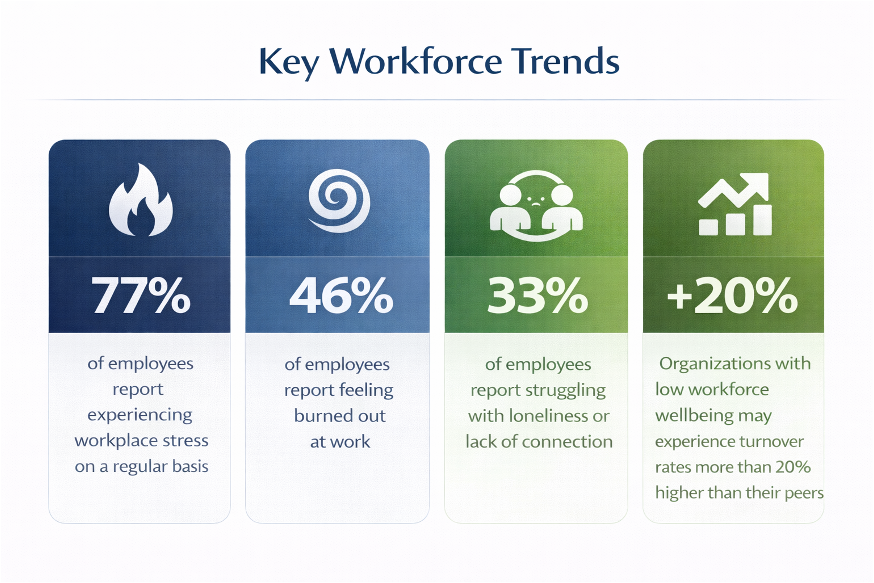
77% of employees report experiencing workplace stress on a regular basis.
-
46% of employees report feeling burned out at work.
-
33% of employees report struggling with loneliness or lack of connection in the workplace.
-
Organizations with low workforce wellbeing may experience turnover rates more than 20% higher than their peers.
-
Burnout is associated with lower engagement, reduced productivity, increased healthcare utilization, and higher absenteeism.
-
Many organizations continue to rely on reactive wellness programs rather than broader workforce wellbeing strategies.
THE BUSINESS IMPACT OF BURNOUT
Burnout can affect organizations in several ways, including:
lower employee engagement
higher turnover
increased absenteeism
reduced productivity
lower morale
leadership strain
higher healthcare costs
greater difficulty retaining talent
Conservative estimates place the annual cost of burnout between $9,500 and $25,500 per employee, driven by lost productivity, healthcare utilization, absenteeism, turnover, and leadership strain.
When viewed on a per-employee basis, even modest reductions in burnout-related turnover, absenteeism, or disengagement may offset the investment in workforce wellbeing programs.
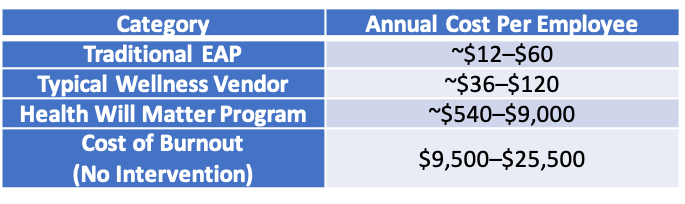
PEPM vs. Cost of Burnout
Why Traditional Wellness Efforts Often Fall Short
Our Premium Program vs. Traditional EAPs and Wellness Vendors
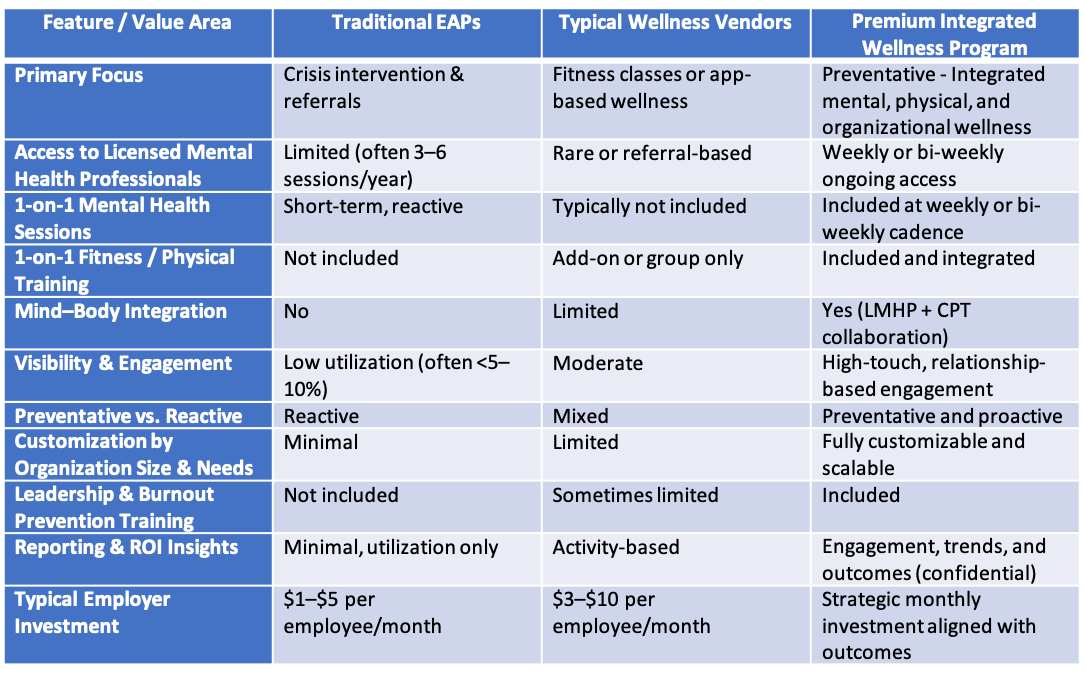
Many organizations offer wellness initiatives, but these efforts are often fragmented, underutilized, or disconnected from the broader factors affecting employee wellbeing.
Traditional wellness approaches may focus primarily on isolated activities such as fitness challenges, wellness apps, or Employee Assistance Programs. While these services can provide value, they may not address the full range of factors influencing employee wellbeing.
Health Will Matter believes organizations need a more comprehensive approach—one that addresses all Eight Dimensions of Wellness and connects workforce wellbeing to broader organizational goals.
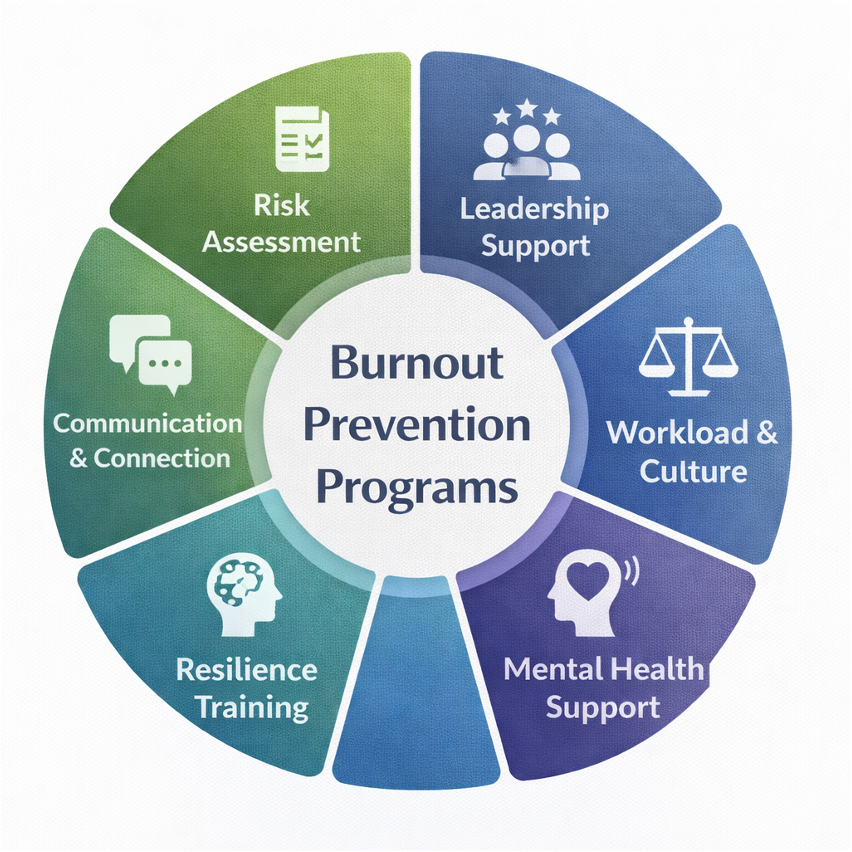
Organizations seeking to reduce burnout risk and strengthen workforce wellbeing should consider:
assessing burnout risk factors
improving leadership support
strengthening resilience training
supporting workplace mental health
addressing workload and culture concerns
improving communication and connection
investing in continuous evaluation and reporting
A more proactive and multidimensional approach can help organizations create healthier, more resilient, and more sustainable workplaces.
How Organizations Can Respond
Reduce Burnout Risk and Strengthen Workforce Wellbeing
If your organization is exploring ways to reduce burnout risk, improve resilience, and support healthier workplace cultures, Health Will Matter can help.