

Workplace Mental Health Programs
Support employee wellbeing, reduce burnout risk, and strengthen workforce performance through proactive workplace mental health initiatives.
Mental health is one of the most significant drivers of employee wellbeing, productivity, retention, and organizational performance. Yet many employers still rely on reactive solutions that are underutilized, disconnected, and unable to address the broader needs of today’s workforce.
Health Will Matter helps organizations create workplace mental health programs that are proactive, integrated, and connected to the Eight Dimensions of Wellness.
Why Workplace Mental Health Matters
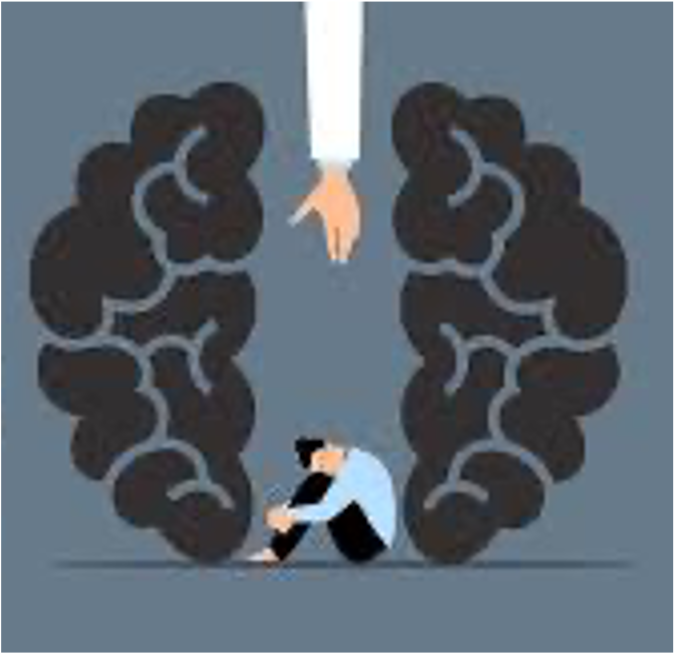
Mental health is a critical component of workforce wellbeing and organizational success. Workplace stress, burnout, anxiety, disengagement, and emotional fatigue are affecting organizations across every industry.
When mental health challenges are not addressed, organizations often experience:
higher absenteeism
lower productivity
increased turnover
more conflict and communication issues
weaker morale and engagement
increased healthcare utilization
higher levels of burnout and exhaustion
Traditional EAPs often serve as a reactive resource that employees access only after they are already struggling. Health Will Matter takes a more proactive approach by integrating mental health into the broader workforce wellbeing strategy.
Organizations that invest in workplace mental health are not only supporting employees — they are protecting performance, retention, culture, and long-term business outcomes. Organizations that prioritize workplace mental health often experience:
Improved employee engagement
Reduced burnout
Better retention
Stronger workplace culture
Increased productivity
Improved employee satisfaction
Health Will Matter helps employers create workplace environments that support mental wellbeing while reducing stigma surrounding mental health discussions.
What Workplace Mental Health Programs Include
-
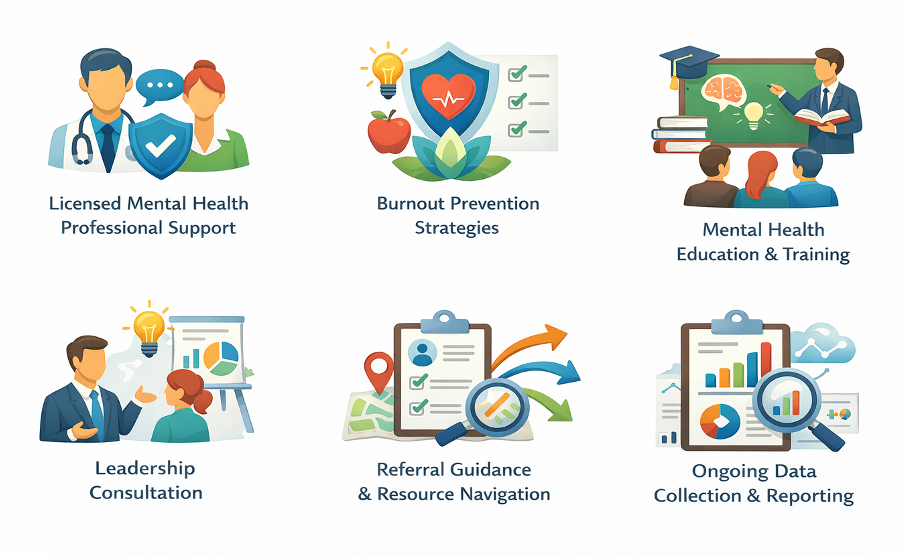
Employees have access to one-on-one support, consultations, and guidance from a Licensed Mental Health Professional.
-
Programs address workplace stress, emotional fatigue, workload management, and burnout risk factors before they escalate.
-
Organizations can provide training sessions focused on stress management, emotional wellbeing, resilience, communication, and coping strategies.
-
Health Will Matter works with leaders to improve workplace culture, communication, and organizational practices that influence mental health.
-
Employees can receive guidance regarding additional resources, treatment options, or community support when appropriate.
-
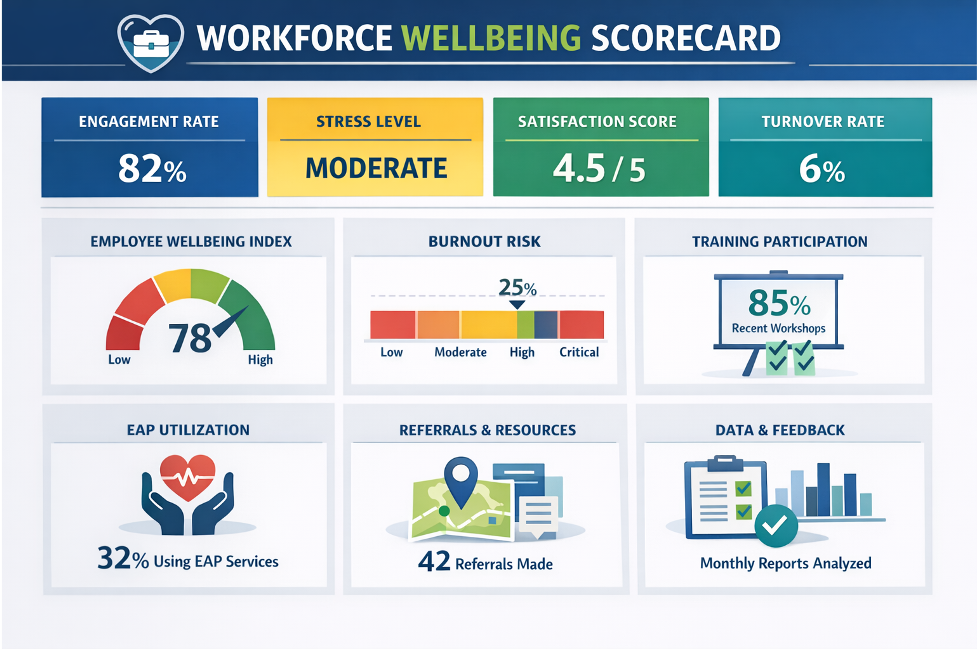
Organizations receive ongoing feedback, reporting, and recommendations to help track mental health trends and adjust services over time.
How Health Will Matter Is Different
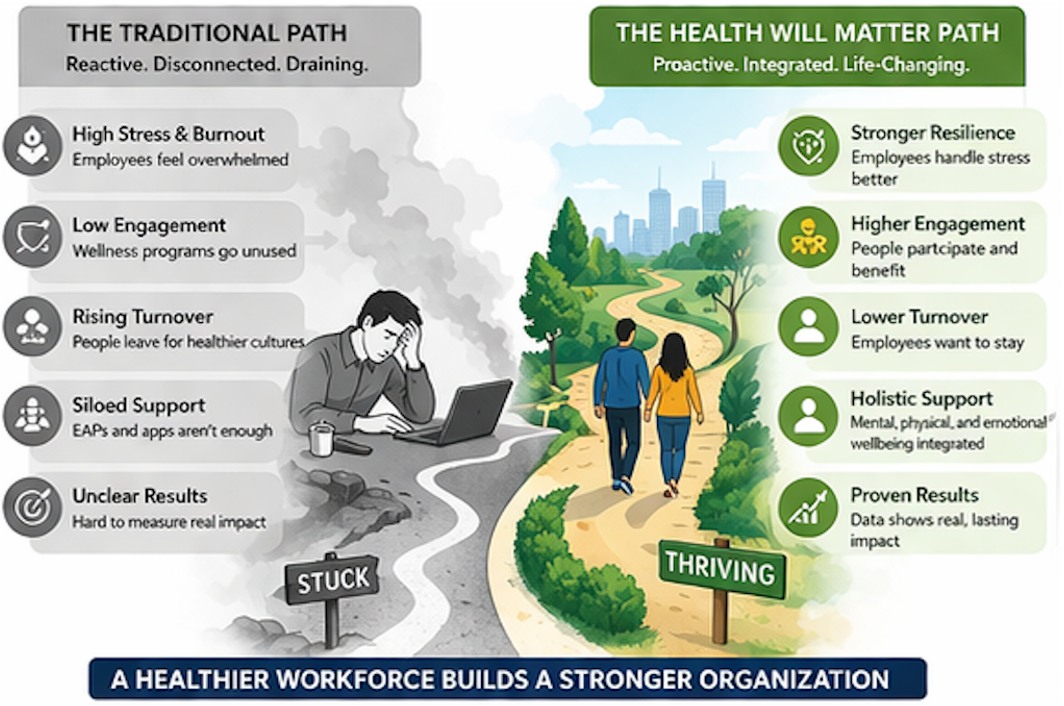
Many workplace mental health offerings focus on a single issue, such as counseling access or employee assistance programs. Health Will Matter takes a more comprehensive approach.
Our model combines:
Licensed Mental Health Professional support
Certified Personal Trainer support
leadership consultation
resilience training
burnout prevention strategies
physical wellness support
workforce wellbeing reporting
all Eight Dimensions of Wellness
This creates a more connected and sustainable workforce wellbeing strategy.
Health Will Matter believes that without the Eight Dimensions of Wellness, organizations do not have a true wellness program — regardless of what it may be called.
Outcomes Organizations Can Expect
Organizations that invest in workplace mental health programs may experience:
lower burnout risk
improved morale and engagement
stronger employee retention
reduced absenteeism
improved productivity
healthier workplace culture
stronger communication and teamwork
increased use of support resources
Mental health support is no longer simply a benefit. It is a business strategy that influences culture, workforce performance, and long-term organizational success.
Create a More Supportive Workplace

Health Will Matter helps organizations move beyond reactive mental health solutions and create a more proactive, sustainable workforce wellbeing strategy.
FAQ
What are workplace mental health programs?
Structured initiatives supporting employee mental health.
Why are they important?
They improve engagement and reduce workplace stress (link to Burnout Prevention Programs).