
Employee Resilience Training for High-Performance Teams
Resilience plays an important role in helping employees navigate workplace challenges and manage stress effectively.
Health Will Matter provides Resilience Training Programs that help employees develop practical skills for managing stress, maintaining focus, and sustaining wellbeing in demanding work environments.

Employee Resilience Training — Executive Summary
What We Deliver
Emotional regulation and stress response skills
Cognitive flexibility and growth mindset development
Energy and recovery management strategies
Leadership and manager resilience training
Practical tools for sustained performance
Who It Supports
High-pressure and fast-growing teams
Leaders managing constant change
Organizations seeking performance stability
Workforces exposed to ongoing stress
Business Impact
Improved productivity under pressure
Reduced absenteeism and disengagement
Stronger retention and leadership stability
Sustainable workforce performance
What Is Employee Resilience Training?
Employee Resilience Training is a structured development program that strengthens an employee’s ability to adapt, recover, and perform under pressure.
It focuses on practical skills such as:
Emotional regulation
Stress response management
Cognitive flexibility
Confidence under uncertainty
Adaptive decision-making
Resilience is not about avoiding stress.
It is about responding to stress effectively.
In high-demand workplaces, resilience becomes a performance skill — helping employees stay steady during change, maintain focus under pressure, and recover quickly from setbacks.
When resilience improves, stability improves.
And stability protects performance.
Resilience is built through practice, not theory.
Our Employee Resilience Training programs are designed to strengthen stress tolerance, emotional regulation, and performance stability through structured, evidence-informed methods.
Here’s how we build workforce resilience.
Our Structured Employee Resilience Training Program

1. Emotional Regulation & Stress Response Skills
Pressure triggers reactions.
We train employees to manage those reactions through:
_____________________________________
☑ Emotional awareness and regulation tools
☑ Stress response management techniques
☑ Practical coping strategies for workplace stress
☑ Confidence under pressure
☑ Better regulation leads to better decisions.
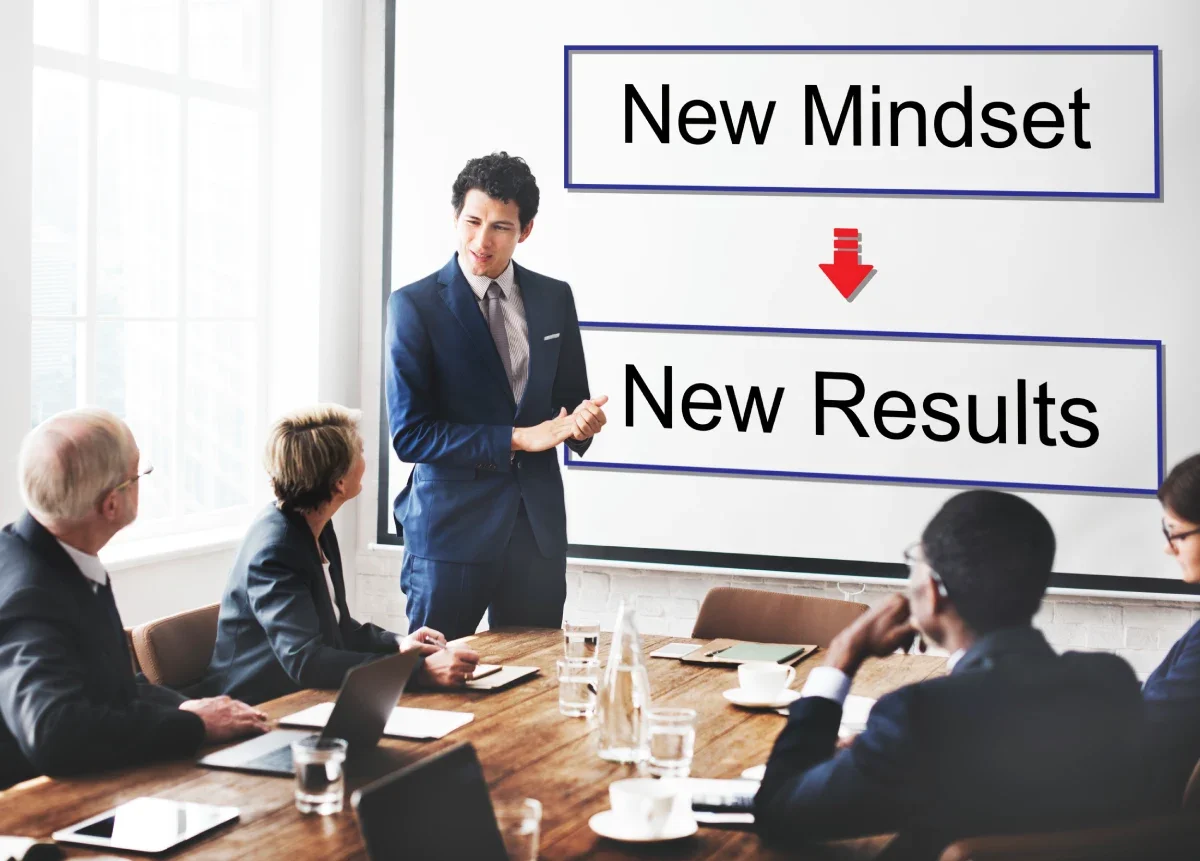
2. Cognitive Flexibility & Growth Mindset Development
Change is constant.
Resilient employees adapt faster because they develop:
_____________________________________
☑ Cognitive flexibility
☑ Solution-focused thinking
☑ Growth mindset habits
☑ Psychological capital (confidence, optimism, adaptability)
Adaptability reduces performance disruption during transitions.

3. Energy & Recovery Management
Resilience is not personality.
It is skill.
Our programs include structured:
_____________________________________
☑ Fatigue management
☑ Energy prioritization
☑ Focus restoration
☑ Sustainable productivity
Resilience is not endless endurance.
It is controlled recovery.

4. Leadership & Manager Resilience Training
Leaders set the tone for stress culture.
Our leadership resilience training strengthens:
_____________________________________
☑ Decision-making under pressure
☑ Change communication
☑ Team stability during uncertainty
☑ Manager emotional regulation
Stronger leaders create more resilient teams.
Why Workplace Resilience Matters in High-Pressure Environments
High-pressure work is no longer temporary.
It is constant.
Hybrid schedules. Rapid change. Tight deadlines. Lean teams. Expectations rarely drop — they increase.
Without resilience, pressure turns into fatigue. Fatigue turns into disengagement. Disengagement turns into turnover.
Workplace resilience changes that pattern.
When employees develop resilience skills, they:
Maintain productivity under stress
Make clearer decisions during uncertainty
Adapt faster to organizational change
Recover energy instead of burning out
Stay engaged during demanding cycles
Resilience does not remove pressure.
It improves response.
In high-performance environments, that difference protects retention, leadership stability, and long-term productivity.


Resilience Training vs Stress Management
Stress Management
☑ Focuses on reducing stress symptoms
☑ Reactive — used during pressure
☑ Teaches calming techniques
☑ Short-term coping strategies
☑ Reduces tension
Employee Resilience Training
☑ Focuses on building adaptive capacity
☑ Proactive — developed before pressure escalates
☑ Teaches recovery, adaptability, and performance stability
☑ Long-term capability development
☑ Builds confidence and flexibility under change
Stress management helps employees handle difficult moments.
Employee Resilience Training strengthens how employees respond to pressure over time.
Both are useful.
Resilience builds durability.
Durability protects performance.
Business Impact & ROI of Employee Resilience Training
Resilience is not a soft skill.
It is performance protection.
When employees build resilience, organizations see measurable shifts in stability and output.
Here’s where impact appears:
-
Resilient employees maintain focus and decision quality during high-demand cycles.
-
Better stress regulation lowers stress-related absence and disengagement.
-
Employees who adapt well to change are less likely to leave during demanding periods.
-
Resilient managers create calmer, more consistent team environments.
-
Energy management and recovery skills reduce burnout risk and protect long-term output.
Resilience training supports durability.
Durability reduces disruption.
And reduced disruption protects profitability.
Industries That Benefit Most from Employee Resilience Training
Resilience matters in every organization.
But certain industries operate under sustained pressure where adaptability and stress tolerance directly impact performance.
Employee Resilience Training is especially valuable in the following environments:
Healthcare Organizations
Long shifts. Emotional intensity. Critical decisions.
Resilience training supports emotional regulation, fatigue management, and sustainable performance for clinical teams and healthcare staff.
Technology Companies
Rapid scaling. Tight product cycles. Constant change.
Workforce resilience strengthens adaptability and stabilizes engagement during continuous transition.
Industrial Operations
Shift work. Physical demand. Safety exposure.
Stress resilience improves focus, communication, and team coordination in high-risk environments.
Professional Firms
High expectations. Client pressure. Decision fatigue.
Resilience skills protect leadership stability and long-term productivity in performance-driven cultures.
Public Sector & Nonprofit Organizations
Limited resources. Community pressure. Emotional workload.
Resilience development strengthens endurance and prevents disengagement in mission-driven teams.
Implementation Framework For Employee Resilience Training
We begin by understanding current stress exposure and adaptability levels.
This may include:
Workforce resilience surveys
Leadership interviews
Engagement trend analysis
Performance pressure mapping
You cannot build resilience without visibility.
1. Resilience Assessment
Training is tailored to workforce realities.
Program design may include:
Leadership resilience modules
Team-based resilience workshops
Emotional regulation training
Change adaptability development
Virtual or onsite delivery options
No copy-paste curriculum.
Structure reflects actual pressure patterns.
2. Customized Program Design
3. Delivery & Reinforcement
Training is delivered through structured sessions supported by practical tools and exercises.
Reinforcement includes:
Skill application checkpoints
Leadership integration
Follow-up measurement
Ongoing resilience development resources
If skills are not reinforced, they fade.
Resilience must be practiced to be sustained.

Frequently Asked Questions About Employee Resilience Training
-
Employee resilience training is a structured development program that teaches employees how to adapt to stress, recover from setbacks, and maintain performance under pressure.
-
Yes. Resilience is a skill, not a personality trait. With structured training, employees can improve emotional regulation, stress tolerance, and adaptability.
-
Resilience training strengthens coping skills and recovery strategies, helping employees manage chronic workplace stress before it turns into burnout.
-
No. While leadership resilience training is valuable, resilience skills benefit all employees — especially in high-pressure environments.
-
Program length varies based on workforce size and needs. Many organizations begin with assessment and core training sessions, followed by reinforcement over several months.
-
Organizations often see improved engagement, stronger retention, reduced absenteeism, and more stable performance during change.
Build a More Resilient Workforce
Pressure will not disappear.
Deadlines, change, and uncertainty are part of modern work.
The difference is how your workforce responds.
Structured Employee Resilience Training strengthens adaptability, protects performance under stress, and supports long-term workforce stability.
Waiting for burnout to surface is reactive.
Building resilience is strategic.
Strengthen your teams. Stabilize performance. Prepare for change.